
Afamelanotide is a photo-protective drug that increases melanin levels in the human skin to gain protection from ultraviolet radiation (UVR) and sunlight. The drug aims to treat people suffering from UV and light-related skin disorders. Since 2000, Australian company Clinuvel Pharmaceuticals has been developing and testing afamelanotide.
Alpha-melanocyte stimulating hormone (α-MSH) is a naturally occurring peptide hormone that releases melanin in response to UV radiation.
Recommended White Papers

Recommended Buyers Guides

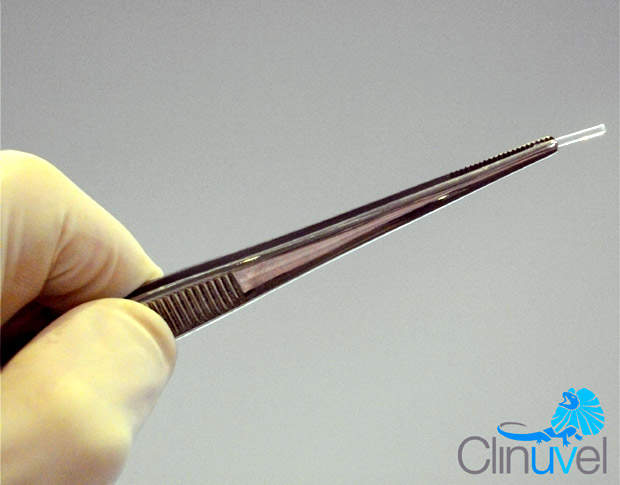
Afamelanotide is a synthetic form of α-MSH with 13 amino acids. Two amino acids of α-MSH have been altered to produce afamelanotide. It is being developed as an implant and an injection. The melanin layer formed by the drug takes 48 hours to be activated from the time of administration.
Previously named CUV1647, afamelanotide was assigned the International Nonproprietary Name (INN) by the World Health Organization. Clinuvel is working closely with various regulatory authorities to develop afamelanotide as a prescriptive drug. The drug is undergoing clinical trials at different stages (Phase II and Phase III) on five of its clinical applications. Phase I clinical trials on all the five indications have been completed successfully.
The drug has received orphan drug designation (ODD) status from the US Food and Drug Administration (FDA) and the European Medicines Agency (EMEA). The FDA granted investigational new drug (IND) status to afamelanotide in January 2009. In August 2009, Clinuvel received regulatory approvals to begin a Phase III confirmatory erythropoietic protoporphyria (EPP) study in Europe.
Clinuvel plans to submit marketing authorisation application to European Medicines Agency by the end of 2011. Afamelanotide was approved for use in EPP patients by the Italian Medicines Agency in May 2010. The drug will be marketed under the brand name Scenesse.
Targeting skin conditions caused by reactions to light (UV)
Afamelanotide is aimed at providing prophylactic treatment by producing melanin which will act as a photo-protective filter on UV impact over the skin. The key indications on which clinical trials are conducted by Clinuvel include:
– Erythropoietic protoporphyria (EPP): This occurs due to absolute sun / UV intolerance. Pain is suffered when exposed to light and affects between every 1:200,000 and 1:75,000 people globally.
This disorder causes accumulation of a chemical known as protoporphyrin IX on the skin, which causes swelling, pain and scarring when exposed to sunlight.
– Photodynamic therapy (PDT): PDT is a common cancer therapy, which uses a laser with a light-sensitive drug to destroy the cancer cells. The key side effect of this therapy is the weakening of the photosensitivity of skin and eyes to any light. Afamelanotide is anticipated to prevent the phototoxicity tied in to PDT.
– Solar urticaria (SU): This is a rare disorder that affects less than 1% of people. When exposed to sunlight patients develop an itchy or burning redness on the skin through an acute immune reaction to UV. The ‘wheals’ developed due to such exposure occur alongside symptoms including headache, nausea, breathing difficulty or fainting. Treatment is directed to bring relief from such symptoms. In extreme cases, patients have to undergo palsmaphoresis procedure.
– Actinic keratosis (AK) / squamous cell carcinoma (SCC): Actinic keratosis is a precancerous skin growth, a scaly lesion that occurs due to sun exposure. A key consequence of AK is that these lesions could lead to skin cancer. Afamelanotide’s ability to produce and release melanin is expected to reduce or mitigate the effects of future continued exposure to UV rays.
SCC occurs due to prolonged exposure to UV radiation and is a significant form of skin cancer. Recently, AK lesions have been identified as progressive SCC. AK is therefore treated using destructive therapies, such as cryosurgery, to destroy such lesions before they progress to SCC.
– Polymorphous light eruption (PLE/PME): PLE is a common photosensitivity and sunlight-based problem. It mainly occurs due to sun / UV poisoning in fair-skinned people as well as to all skin types. It is a seasonal skin disorder occurring in spring with symptoms of itchy or burning, red papules, vesicles that appears on the skin after several hours of sunlight exposure. This disorder is treated using sunscreens and topical steroids and in servere cases with phototherapy.
Afamelanotide shows efficacy in clinical trials
Clinuvel is conducting clinical trials of afamelanotide on five of its indications. Clinuvel is focused on prophylactic treatment of EPP patients in the EPP clinical trials.
In February 2007, Phase II trials of afamelanotide in EPP were completed. Following the successful completion of these trials the Phase III EPP study in Europe and Australia is in progress.
In January 2009, the interim results analysis of EPP from 14 patients was published in Switzerland. These results clarified that the severity of phototoxic reaction for patients with the disease was significantly reduced. Another 87 patients enrolled in these trials, which were completed by late 2009.
This drug is expected to reduce the pain and suffering of EPP patients, making them more resistant to the effects of sunlight.
The results of the Phase III Trials in EPP were declared to show that the severity of phototoxic reaction for patients with the disease was significantly reduced. In July 2008, afamelanotide received the ODD, from the FDA, to treat EPP. The EMEA also awarded similar status to the drug in March 2008.
The Phase II trials of afamelanotide in Europe to prevent photosensitivity in PDT patients are now in progress.
In September 2008, afamelanotide received ethics approval for its Phase II trials in SU in Europe . A trial on five enrolled patients began in December 2008. The entire study was completed by July 2009. In June 2009, Clinuvel received new orphan drug designation from the EMEA for treating SU patients.
The Phase II trials of afamelanotide on AK and SCC in Australia and Europe were started in November 2007. The aim is to reduce the prevalence of skin cancer in such patients with organ transplants. Around 200 patients have been enrolled and are being administered either 16mg of afamelanotide or 16mg of placebo every 60 days. The entire trial is expected to be completed by August 2012.
Afamelanotide has been proven to protect against the outbreaks of PLE under Phase II clinical trials of 2006.
In May 2007, the Phase III clinical trial programme of afamelanotide in PLE in Australia and Europe began. It enrolled around 18 PLE patients and the study was completed in September 2010.
Phase III confirmatory trial in EPP patients was initiated in September 2009. Around 70 patients were in the trial aimed at determining the efficacy and safety of the drug. Patients were administered either 16mg of subcutaneous implants of afamelanotide or 16mg of placebo every two months for a period of nine months. The entire study was completed in May 2011 with positive results.
Marketing commentary for Clinuvel Pharmaceuticals’ Afamelanotide (Scenesse)
Afamelanotide has many potential segments available when it enters the market. There are more than 100 million potential patients in the EU and US alone.
The PLE patients are the highest among these, covering 10-15% and AK / SCC with more than ten million patients.
EPP is another key market where, more than 5,000 people are in clinical need, followed by PDT with same number of people. SU is the only market with fewer than 5,000 people suffering from the disorder. Afamelanotide is expected to treat and relieve the patients in these five potential market segments.
The Phase III study on EPP is nearing completion and the company expects to gain a marketing authorisation in Europe in 2012, followed by Australia, Switzerland and the US. Clinuvel is also working on branding and pricing strategies for a European release of the drug.