|
 Types of skin and soft tissue infections for which oritavancin is being evaluated in clinical trials.
|
 Antibiotic resistance among gram-positive pathogens is a growing problem and contributes to increased rates of treatment failure and poor prognosis.
|
 S aureus is a major cause of skin and soft tissue infections, with infections due to MRSA particularly difficult to treat.
|
 Oritavancin has a number of properties that may confer benefits in the treatment of serious gram-positive infections if it receives regulatory approval.
|
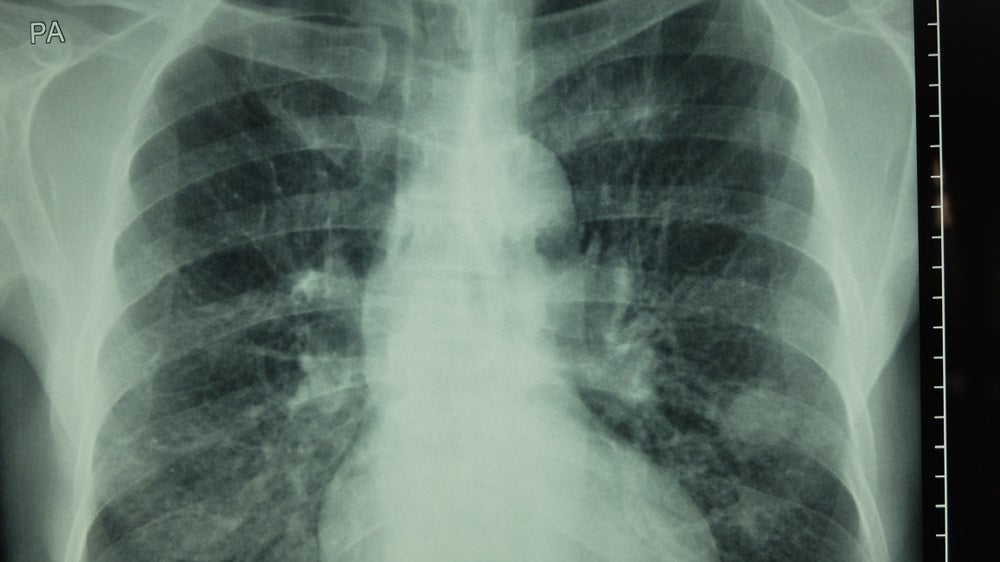
 Virus capable of causing respiratory tract infection.
|
 Rhinovirus infection is the most common cause of colds, producing the classic symptoms of a runny nose, blocked sinuses, headache and cough.
|
 Since its discovery in the early 1980s, infection with HIV has reached epidemic proportions especially in developing countries. Estimates suggest that 42 million people are living with HIV/AIDS, of whom around 3 million die each year. (Source: ABPI)
|
 Classes of drugs used to treat HIV infection.
|
 Capravirine is an NNRTI indicated for the treatment of patients infected with HIV.
|
 Major classes of antibiotics used in the treatment of bacterial infections.
|
 Some new classes of antibiotics in development.
|
 Antibiotic resistance is a growing problem and contributes to increased rates of treatment failure and poor prognosis.
|
 The misuse of antibiotics is a major contributor to growing rates of antibiotic resistance.
|
 There has been a ten-fold increase in rates of vancomycin resistance among gram-positive enterococci between 1990 and 1998.
|
 Mortality rates are twice as high among patients infected with pathogens resistant to antibiotic therapy compared with those that are susceptible.
|
 Ceftobiprole medocaril (BAL5788) is an injectable anti-MRSA cephalosporin.
|
 The FDA granted ceftobiprole medocaril fast-track status in 2003 for treatment of complicated skin and skin structure infections.
|
 S. aureus is a major cause of skin and soft tissue infections.
|
 Basilea Pharmaceutica's drug development pipeline.
|
 Ceftobiprole medocaril (BAL5788) is the product of a joint development programme between Basilea Pharmaceutica AG and Cilag AG International (a Johnson & Johnson company).
|
 S. aureus can cause serious infections in hospitalised patients, the elderly and those with weakened immune systems.
|
 Antibiotics currently used in the treatment of infections due to MRSA.
|
 The evolution of new antibiotic classes from the 1930s to the present day.
|
 Antibiotic resistance is a growing problem and contributes to increased rates of treatment failure and poor prognosis.
|
 Major classes of antibiotics used in the treatment of bacterial infections.
|
 S. aureus is a major cause of skin and soft tissue infections.
|
 Vicuron Pharmaceuticals' development pipeline.
|
 Formula of the telbivudine, a new nucleotide analogue for the treatment of chronic HBV infection
|
 Estimates from the World Health Organisation (WHO) suggest there are around 350 million people chronically infected with hepatitis B virus
|
 Drugs currently used in the treatment of chronic HBV infection
|
 Drugs for the treatment of chronic HBV should meet a number of ideal criteria, including rapid and profound viral suppression
|
 Idenix Pharmaceuticals currently has two investigational drugs in development for chronic HBV infection: the nucleotide analogues telbivudine and valtorcitabine
|
 Bacterial resistance to antibiotics can have serious consequences.
|
 Diagram of the influenza virus.
|
 The influenza virus invades the cells of the respiratory epithelium.
|
 Six phases have been indicated in the World Health Organisation’s pandemic alert system for informing the world of the threat from a flu pandemic and when progressively more advanced activities to contain the threat are needed. Changes from one phase to another are governed by factors such as the epidemiological behaviour of the disease and characteristics of the virus in circulation.
|
 Diagram of the influenza virus.
|
 The influenza virus invades the cells of the respiratory epithelium.
|
 Structure of the human immunodeficiency virus, which is responsible for AIDS.
|
 Pfizer's maraviroc is awaiting regulatory approval in the US.
|
 Drugs in development for the treatment of HIV are targeted at different stages of the virus' lifecycle.
|
 Structure of the human immunodeficiency virus (HIV), which is responsible for AIDS.
|
 Drugs in development for the treatment of HIV are targeted at different stages of the virus' lifecycle.
|
 The past 20 years have seen important advances in drug therapy for HIV-infected patients and accompanying improvement in morbidity and mortality rates.
|
 Structure of the human immunodeficiency virus (HIV), which is responsible for AIDS.
|
 Drugs in development for the treatment of HIV are targeted at different stages of the virus' lifecycle.
|
 The past 20 years have seen important advances in drug therapy for HIV-infected patients and accompanying improvement in morbidity and mortality rates.
|
 Current estimates suggest that 350-400 million people are infected with HBV.
|
 Cirrhosis of the liver is a common complication of HBV infection that can lead to hepatic insufficiency, portal hypertension and cancer of the liver.
|
 Telbivudine is the most recently approved drug for the treatment of chronic HBV infection.
|
 Therapeutic goals for chronic HBV infection include clearance of HBeAg and HBsAg together with seroconversion to anti-HBe and anti-HBs antibodies.
|
| Copyright Notice: Copyright for all images on this web site is held by the individual companies providing material for the site. Click on the image concerned to be taken through to the project, containing information on the company involved. |